

Guided, Not Guarded:
Helping ADHD Teens Build Agency in a Digital World
2 NBCC CEs • March 18, 2027 at 9 am PT • $150
On Demand Launching March 25th, enroll now
Live Course with Chris Conley, MA, LPC


About this course:
PDA (Pathological Demand Avoidance) is a neurotype present from birth — yet it is frequently missed, misunderstood, or dismissed in the earliest years of life. For children aged 0–5, the signs can be subtle, complex, and often misread as "temper tantrums" rather than what they truly are: a nervous system seeking safety.
Early recognition changes everything.
In this workshop, we explore how to identify PDA traits in children before school age, so that carers and professionals can respond with understanding from the very beginning. Developed and facilitated by a Registered Clinical Counsellor and neurodivergent parent of two PDA children, this course brings together lived experience and practical knowledge to help you:
Recognize early signs of PDA in children aged 0–5
Understand the nervous system needs beneath the behavior
Build a supportive, aligned environment and team
Honor the child's sensitive system — early and often
Children's rights are human rights. Every child deserves to be seen, understood, and supported to be exactly who they are meant to be.
What’s Included:
2 hour live session with Q&A
slides & resources
2 NBCC CE hours*
Price: $150 for LIVE
$120 for On Demand
Join us LIVE on March 18, 2027

Guided, Not Guarded
Teens benefit from guides, not guards. The goal is not simply to get them off their devices, but to help them develop the awareness and skills to make thoughtful choices for themselves.
Screen time alone cannot tell us what a digital activity is doing for a teen or whether it is causing harm. Is five hours of gaming a problem? Maybe, maybe not.
Infinite scroll, autoplay, notifications, and games without natural stopping points can be especially difficult for teens navigating ADHD time blindness, hyperfocus, and reward sensitivity.
What looks like “too much screen time” may actually be a teen seeking stimulation, connection, competence, emotional relief, or a break from feeling overwhelmed.
Objectives
Participants will be able to…
Describe how ADHD traits such as time blindness, hyperfocus, reward sensitivity, and difficulty with transitions can interact with features of digital environments.
Identify common functions that social media, gaming, artificial intelligence, and other digital activities may serve for teens with ADHD.
Differentiate healthy engagement from patterns causing diminished control, significant distress, or interference with daily life.
Apply a “guided, not guarded” framework to develop a collaborative response that supports teen agency while addressing caregiver concerns and appropriate boundaries.
Identify ethical considerations involving teen autonomy, privacy, caregiver involvement, safety, and the use of artificial intelligence.
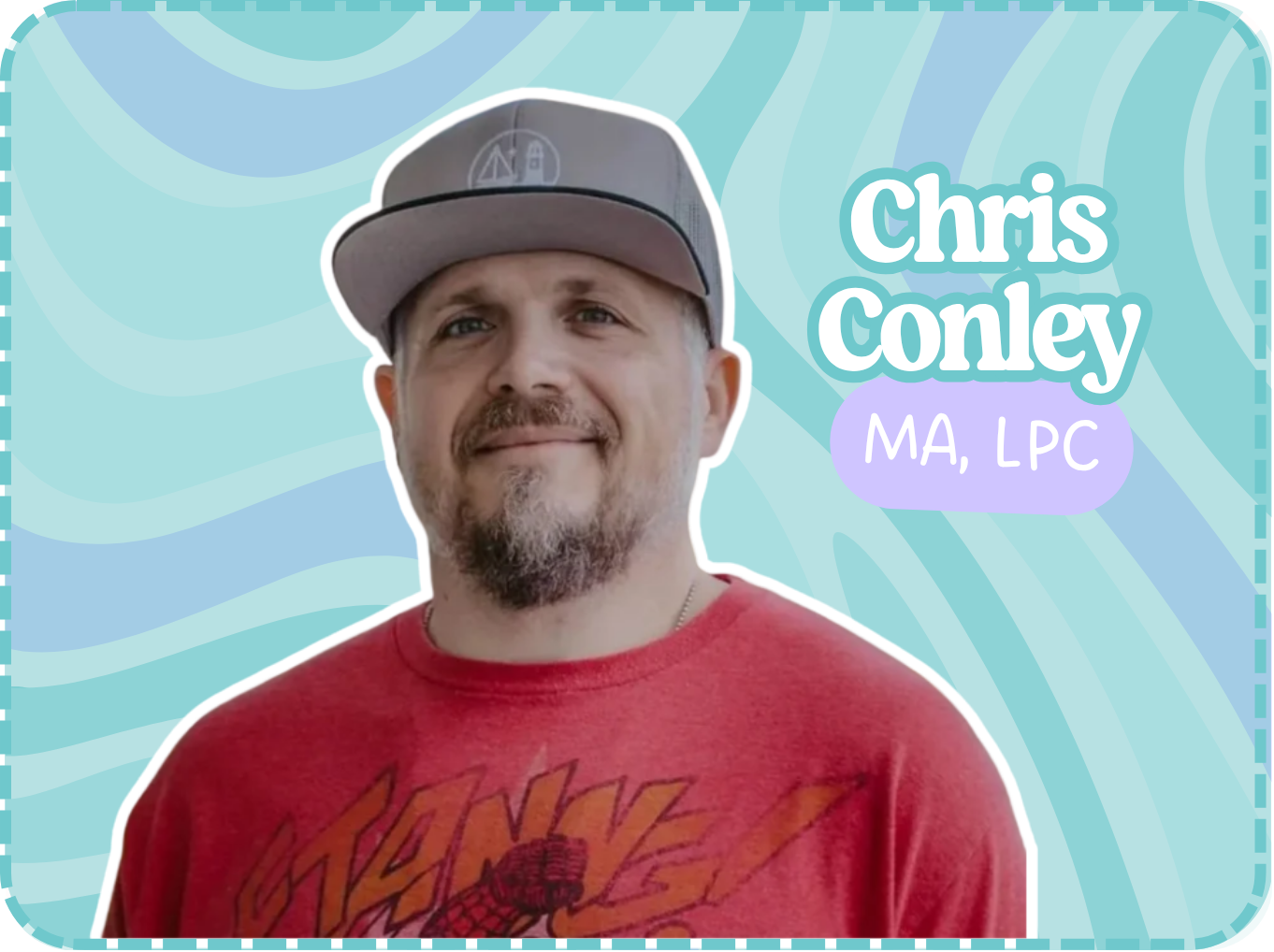
Meet the Instructor
Chris Conley, MA, LPC
Chris is a licensed professional counselor, clinical director, speaker, and founder of Open Harbor Consulting in Virginia Beach, Virginia. Through his work in clinical practice, supervision, and professional training, Chris helps clinicians turn complex mental health concepts into practical, relationship-centered care. He is currently pursuing a PhD in Counselor Supervision and Education and is a co-creator of Clinician Connection. As both a clinician and a person with ADHD, Chris brings professional knowledge, lived experience, and a warm, grounded perspective to helping clinicians understand how teens use technology to connect, cope, and navigate daily life.