

The Assessment Course
Autism and ADHD
A training designed specifically for masters level clinicians covering every step from first inquiry call to feedback session.

Answers change lives.
Master's-level clinicians can diagnose.
The barrier was never your license. It's training.
That's what this course is for.
Most clients have spent months or years researching before they ever say out loud "I think I'm Autistic."
They deserve a clinician who meets them with curiosity, a clear process, and answers.
This course is for you if you…
Are a master's-level clinician grounded in the neurodiversity paradigm
Are seeing Autistic and ADHD traits in your caseload and want to name them with confidence
Want to offer assessments as a standalone service or within your therapy work
You mostly see adults (teen considerations are woven in)
If you're new to autism, ADHD, or the neurodiversity paradigm begin with the course Neurodiversity Affirming Practices

Everything you need to start
On Demand
9 hours of instruction
9 NBCC CEs hours
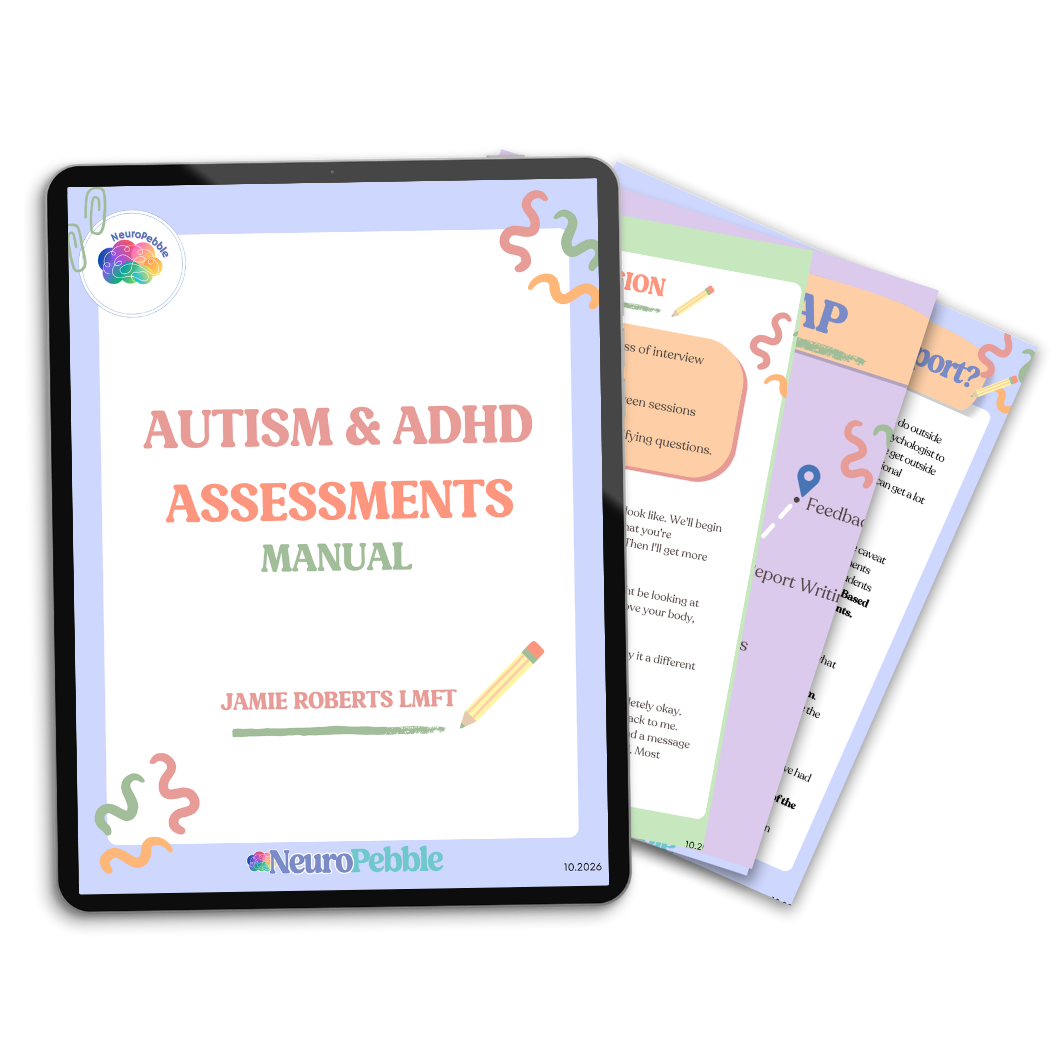
70 pg manual
6 editable templates: history, consent, interview, report, and letter
Assessment tool list: which are free and what to purchase
4 hour full assessment demo
Added to our exclusive Clinician Directory
Lifetime access
$1347
Live
Everything in On Demand
Two full days (9 hours) of live instruction
Live Q&A with Jamie
Active discussion throughout
Recording access
9 NBCC CE Hours
A cohort to collaborate with as you set up your assessment process
$1797
Meet the Instructor
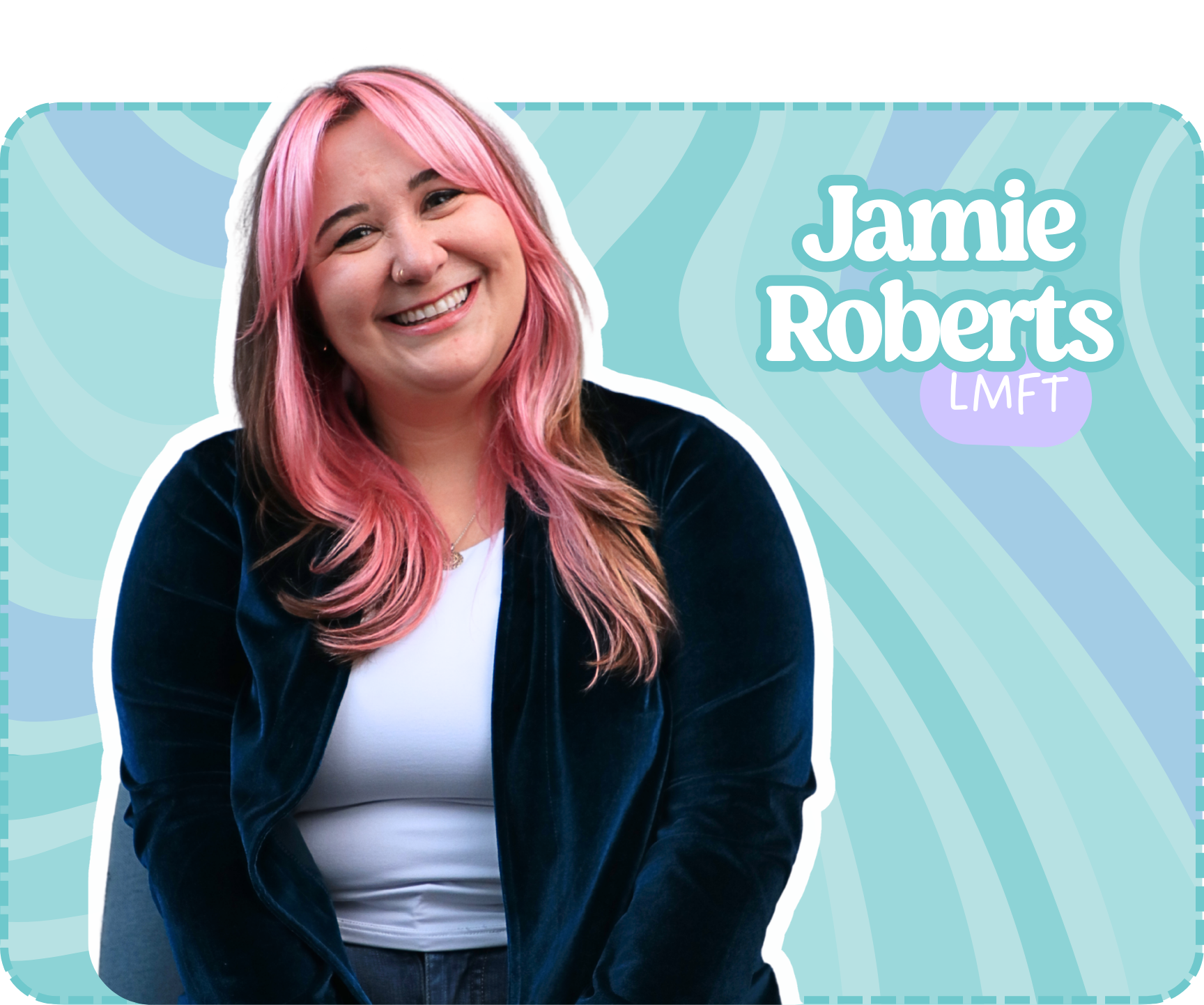
Hi, I’m Jamie.
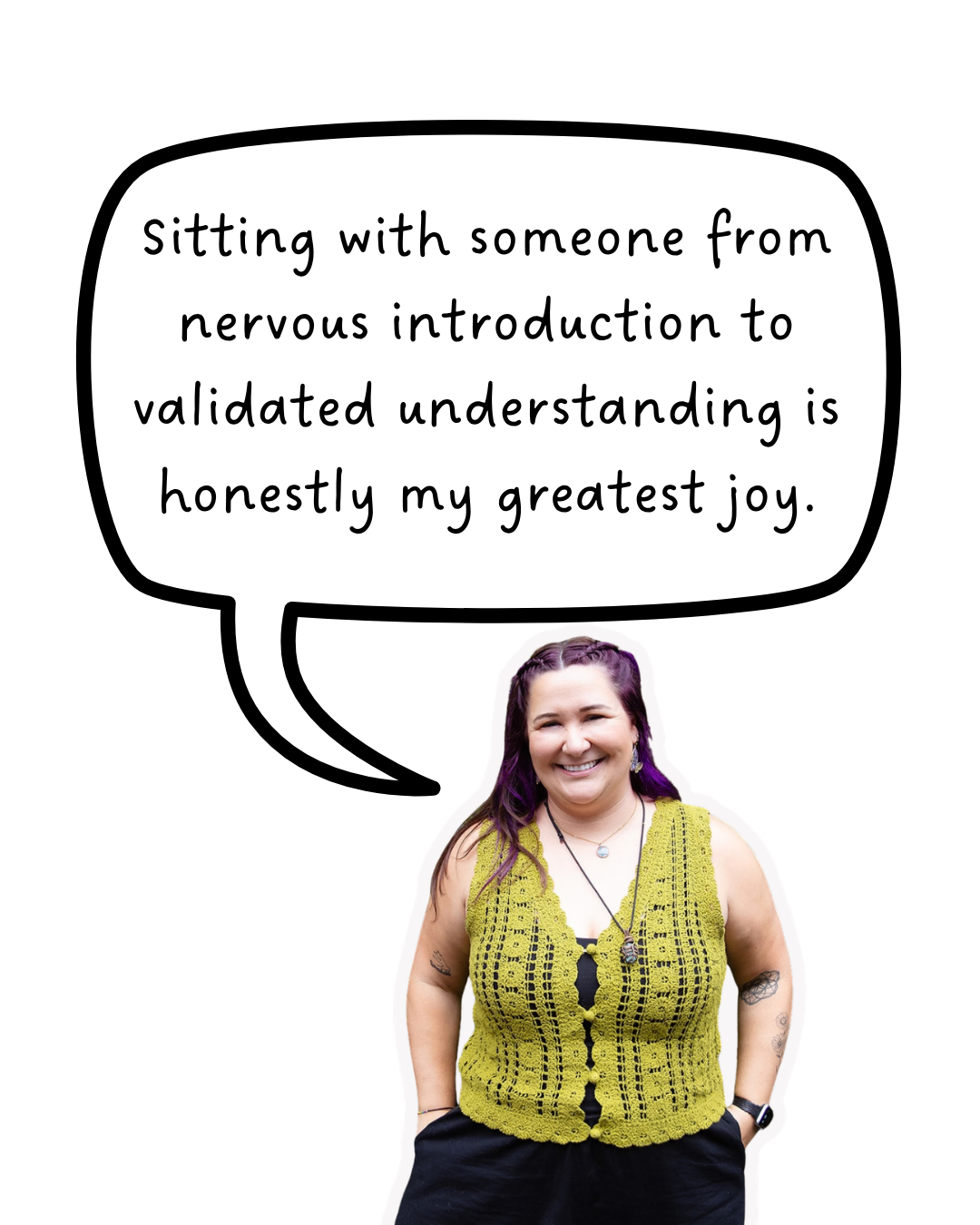
I’ve been doing assessments since 2014, and I still get a little giddy every time a new client walks in.
In the middle of an assessment for my mentor, Dr. Derek Ott M.D., a client described a moment from her life and something in my brain went click. That was me. It explained parts of myself that forever felt out of reach.
Then I went down the rabbit hole. You know the one Im talking about. I found all the ways so many of us get missed, in childhood, through the teen years, and especially as adults. My ADHD didn’t look like the stereotype. I was a perfectionist at school and work, so nobody was looking. Later I discovered I’m Autistic too, which explained even more.
So yes, this work is personal.
Why this matters now
More adults than ever are looking for answers about themselves, and most assessment processes were built to identify kids. Wait lists are long, full neuropsych evaluations are expensive, and too many people still hear “you make eye contact and have a college degree, so you’re not Autistic.”
Our field needs more clinicians who listen to lived experience. Master’s-level clinicians can do this. The barrier was never your license. It’s training.
Walk the same path as your clients.
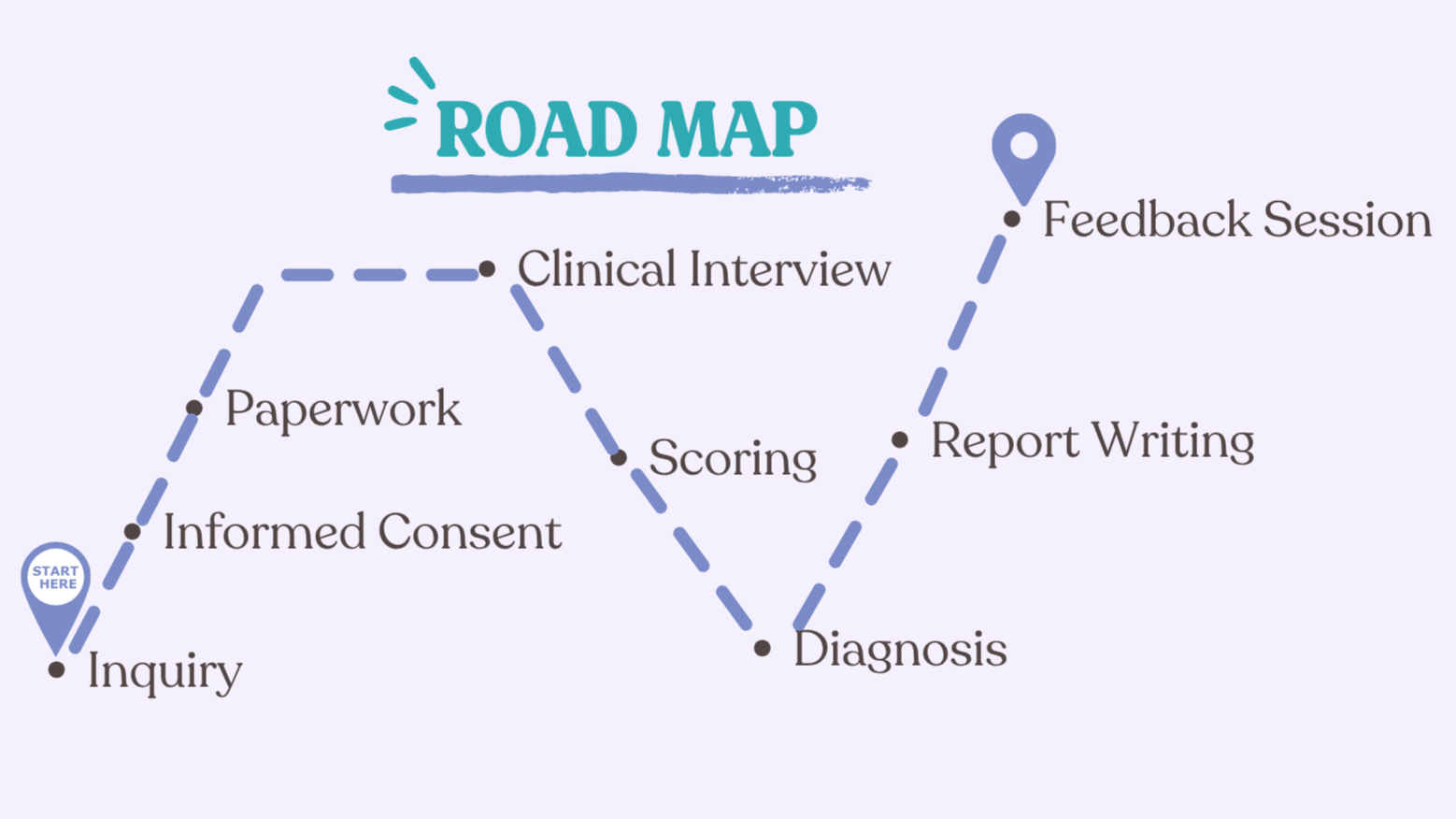
Inquiry & informed consent
Know your scope and say it plainly, so clients know what their diagnosis can (and can't) do for them.
Paperwork & tools
Assessment tools, why each one is included, and how to send them without draining your client's executive function.
The clinical Interview
An affirming interview refined over 12 years. Room to fidget, pause, and ask for the question another way.
Determining diagnosis
Sort through overlapping and co-occurring conditions, including the client who sits right on the cusp.
Report writing
Write for the person actually reading it. Strengths-based reports clients recognize themselves in.
The feedback session
Lead with the diagnosis, finish the report together, and make room for relief and grief. Then: welcome to the club.
Templates
Clinical Interview, history form, consent form, written report, confirmation letter.
Enroll in the live virtual course
Feb 4-5, 2027 or June 3-4, 2027
9 NBCC CEs • $1797
Live 2 day workshop with Jamie Roberts, LMFT
Day 1 from 9 am - 2 pm PT
Day 2 from 9 am - 1 pm PT
On Demand version available now
9 hr/9 NBCC CE • $1347


Questions, answered
Can master's-level clinicians diagnose autism and ADHD?
In most cases, yes. Scope depends on your license, your state, and your training. The course covers how to check, and the language that keeps you in scope.
What can clients use the diagnosis for?
504 plans, college accommodations, and workplace accommodations, yes. Psychiatry and insurance vary. IEPs and SSDI, no. We cover how to explain all of it up front.
Do I need prior training?
Yes. This course assumes you're already comfortable with autism, ADHD, and the neurodiversity paradigm. Need more foundation? Start with Neurodiversity Affirming Practices.
Does it cover teens?
The focus is adults, with teen considerations (ages 12 and up) woven in throughout.
Can I use the templates in my practice?
Yes, really. Adapt them for your own clinical practice: add your logo, change the order, make them fit your flow. They just can't be shared, sold, or used in other trainings.
What's the difference between Live and On Demand?
Same 9 hours, CEs, manual, templates, and bonus demo. Live adds real-time Q&A, role play, discussion, your cohort, and replay access. On Demand is available to purchase now, and course content opens November 1.
Will my board accept NBCC CEs?
Most licensing boards do. Please confirm with your license, board, and state.
Assessment Bundle
For those that want to really deep dive into differential understanding of the diversity of clinical presentations, check out our companion courses. Enroll a-la-carte or get the bundle for 15% discount.
Lets get started!
You’re already assessing and differentiating with your clients every week.
This course gives you a clear path for the clinical side and the business side, so assessments fit your practice and your life.
I found the balance: reports that meet every diagnostic requirement AND help clients feel understood when they read them.
Pull up a chair. I’ll walk you through it.
Objectives
Participants will be able to…
Assess existing legal and ethical considerations for diagnostic assessments and employ assessment practices that fit within legal and ethical requirements.
Evaluate logistical structures in order to establish accessible assessment procedures for equitable access.
Administer and interpret seven validated, evidence-based assessment tools in their diagnostic assessments.
Accurately assess and diagnose for ADHD and autism through a neurodiversity-affirming lens, offering comprehensive, high-quality assessment services.
Modify existing assessment protocols to integrate neurodiversity-affirming approaches to diagnostic assessment.
Design templates for neurodiversity-affirming diagnostic assessments for implementation in their clinical practice.
Identify how masking, gender, and culture shape the presentation of Autistic and ADHD traits across the lifespan.
Integrate data from clinical interviews, collateral reports, observation, and standardized measures to form accurate diagnostic impressions.
Write strengths-based diagnostic reports with individualized recommendations for accommodations and supports.
Conduct feedback sessions that communicate diagnostic results to clients and families in a clear, identity-affirming way.