


Autism & ADHD Assessments with Jamie Roberts, LMFT
You CAN offer affirming autism and ADHD assessments.
A start-to-finish training for master's-level clinicians, from the first inquiry call to the feedback session. Leave with a clear process, a full toolkit, and real confidence.
9 NBCC CEs · Rated 4.86/5 by 80 alumni · On Demand Nov 1 · Live Feb 4-5, 2027
Answers change lives. More of us can give them.
For many adults, an autism or ADHD diagnosis doesn't arrive in childhood. It arrives at 32, or 47, or right after their own kid is assessed.
Most clients have spent months or years researching before they ever say "I think I'm Autistic." They deserve a clinician who meets them with curiosity, a clear process, and an answer.
Master's-level clinicians can diagnose. The barrier was never your license. It's training. That's what this course is for.
80%
of Autistic girls remain undiagnosed at age 18.
[SOURCE CITATION]
Walk the same path your clients will.
The course follows a real assessment, stop by stop. Here's a peek at the road map.
Inquiry & informed consent
Know your scope and say it plainly, so clients know what their diagnosis can (and can't) do for them.
Paperwork & tools
Seven validated tools, why each one earns its spot, and how to send them without draining your client's executive function.
The clinical interview
An affirming interview refined over 12 years. Room to fidget, pause, and ask for the question another way.
In between sessions
Scoring & diagnosis
Sort through overlap and co-occurring conditions, including the client who sits right on the cusp.
In between sessions
Report writing
Write for the person actually reading it. Strengths-based reports clients recognize themselves in.
The feedback session
Lead with the diagnosis, finish the report together, and make room for relief and grief. Then: welcome to the club.
Everything you need to start.
Built from what alumni asked for: more instruction time, a full manual, and templates you can actually edit.
9 hours of instruction
9 NBCC CE hours, Live or On Demand.
75-page manual
Your go-to guide during the course, and right beside you for every assessment after.
5 editable templates
Consent, history, clinical interview (blank and with Jamie's questions), and diagnosis letter. Add your logo and make them yours.
Assessment Tools List
What's out there, what it measures, and how it holds up through a neuroaffirming lens.
Recommended Order Sheet
The exact kits and forms to order, so you skip hours on publisher websites.
Bonus
4-hour real assessment demo
A complex case, recorded with consent. Watch the interview, the report coming together, and the feedback session.
This course is for you if...
- You're a master's-level clinician already grounded in the neurodiversity paradigm
- You see Autistic and ADHD traits in your caseload and want to name them with confidence
- You want to offer assessments as a standalone service or inside your therapy work
- You mostly see adults (teen considerations are woven in)
Start somewhere else if...
- You're new to autism, ADHD, or the neurodiversity paradigm. Begin with Neurodiversity Affirming Practices.
- You need child assessments under 12, IEP evaluations, or SSDI documentation. Those call for a psychologist or neuropsych evaluation.
Always verify your scope with your state licensing board.

Pebble Praise

Choose how you learn.
-
![]()
Live Cohort
February 4-5, 2027
Real-time Q&A, role play, your cohort, and replay access
9 NBCC CEs · [LIVE PRICE]
Also offered June 3-4, 2027
-
![]()
On Demand
Enroll now, course opens November 1
Self-paced. Pause, rewind, and come back anytime
9 NBCC CEs · [ON DEMAND PRICE]
-
![]()
The Assessment Bundle
This course + 4 companion trainings
Go deeper on marginalized populations, self-identification groups, differential diagnosis, and AuDHD diagnostic camouflage
[BUNDLE PRICE]


Why I built this
I know the assessment moment from both chairs.
I'm an AuDHD therapist. Relief and grief, arriving at the same time. That's why I care SO much about how this process feels, for the clinician learning it and for the client sitting across from you.
I started conducting assessments in 2014 with my mentor, Dr. Derek Ott, an adolescent psychiatrist specializing in ADHD and autism. After a decade of refining that system, I brought it into my own practice, and then into this course.
I'm all about sharing and NOT gatekeeping. Every clinician who learns to do this well means more people get answers. That's pebbling: one ripple at a time.

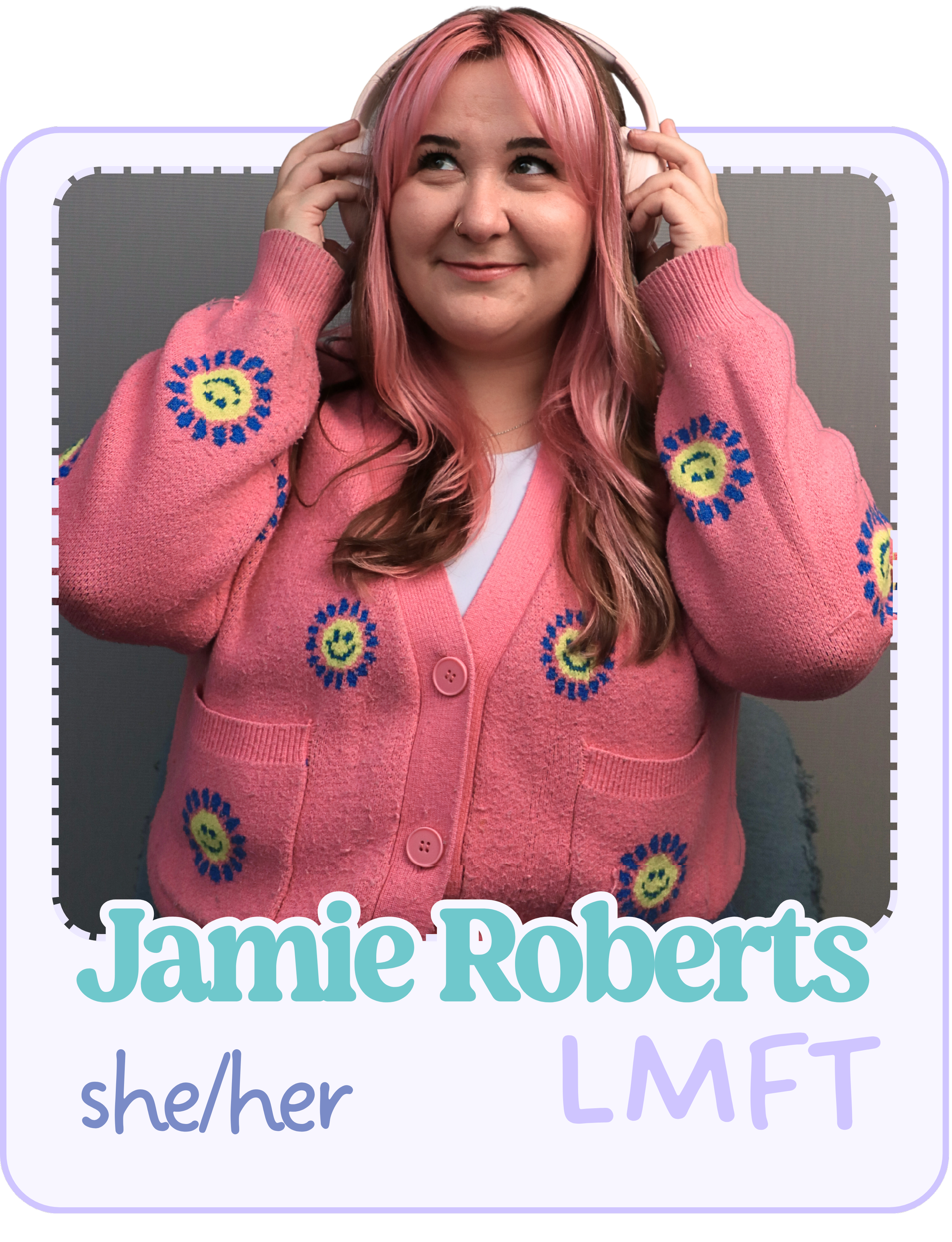
Meet your instructor
Hi! I’m Jamie (she/her), LMFT AuDHD, dyslexic, maximalist, lover of soft sweaters, big earrings, and all things creative.
- LMFT in California, 12 years in clinical practice
- Psychiatry intake specialist with ADHD and Autistic adolescents, 10 years
- UCLA LEND practitioner certification
- Founder of NeuroPebble and Equilibrium Counseling Services
- Author of Neurodiversity for Teen Girls and Mindfulness for Teen Anxiety
- @neurodivergenttherapist

Learning objectives
Participants will be able to:
- Assess existing legal and ethical considerations for diagnostic assessments and employ assessment practices that fit within legal and ethical requirements.
- Evaluate logistical structures in order to establish accessible assessment procedures for equitable access.
- Administer and interpret seven validated, evidence-based assessment tools in their diagnostic assessments.
- Accurately assess and diagnose for ADHD and autism through a neurodiversity-affirming lens, offering comprehensive, high-quality assessment services.
- Modify existing assessment protocols to integrate neurodiversity-affirming approaches to diagnostic assessment.
- Design templates for neurodiversity-affirming diagnostic assessments for implementation in their clinical practice.
- Identify how masking, gender, and culture shape the presentation of Autistic and ADHD traits across the lifespan.
- Integrate data from clinical interviews, collateral reports, observation, and standardized measures to form accurate diagnostic impressions.
- Write strengths-based diagnostic reports with individualized recommendations for accommodations and supports.
- Conduct feedback sessions that communicate diagnostic results to clients and families in a clear, identity-affirming way.
Questions, answered
Can master's-level clinicians diagnose autism and ADHD?
In most cases, yes. Scope depends on your license, your state, and your training. The course covers how to check, and the language that keeps you in scope.
What can clients use the diagnosis for?
504 plans, college accommodations, and workplace accommodations, yes. Psychiatry and insurance vary. IEPs and SSDI, no. We cover how to explain all of it up front.
Do I need prior training?
Yes. This course assumes you're already comfortable with autism, ADHD, and the neurodiversity paradigm. Need more foundation? Start with Neurodiversity Affirming Practices.
Does it cover teens?
The focus is adults, with teen considerations (ages 12 and up) woven in throughout.
Can I use the templates in my practice?
Yes, really. Adapt them for your own clinical practice: add your logo, change the order, make them fit your flow. They just can't be shared, sold, or used in other trainings.
What's the difference between Live and On Demand?
Same 9 hours, CEs, manual, templates, and bonus demo. Live adds real-time Q&A, role play, discussion, your cohort, and replay access. On Demand is available to purchase now, and course content opens November 1.
Will my board accept NBCC CEs?
Most licensing boards do. Please confirm with your license, board, and state.
Ready to feel confident in your next assessment?
Not quite ready? Start here.
Watch the free FAQ webinar with Jamie
Get "10 Things to Know Before Offering Assessments" [LINK NEEDED]