

1 NBCC CE • $60
On Demand Workshop with Dr. Monica Blied
Considerations for Autism/ADHD Assessment for Marginalized Populations


About this course:
This course provides clinicians with a neuroaffirming, culturally responsive framework for the differential diagnosis and assessment of autism and ADHD in marginalized populations. Grounded in current research and lived-experience–informed practice, the course examines how systemic inequities, cultural context, historical bias, and identity-related factors shape the recognition, interpretation, and timing of autism and ADHD identification across the lifespan.
Participants will explore how race, ethnicity, gender identity, sexual orientation, cultural values, and community norms influence clinical presentation, masking and camouflaging processes, and diagnostic outcomes. The course gives focused attention to patterns of misdiagnosis and under-recognition, including the disproportionate use of deficit-based or behaviorally framed labels (e.g., ODD, conduct-related diagnoses) when neurodevelopmental differences emerge within marginalized contexts. Disparities affecting BIPOC communities, individuals assigned female at birth, and transgender and gender-diverse individuals are highlighted, alongside the impact of systemic barriers, caregiver experiences, and culturally misaligned screening and assessment tools.
What’s Included:
1-Hour Course Video
Slides + Bonus Materials
1 NBCC CE hour
Price: $60
Objectives
Participants will be able to…
Identify how systemic inequities, cultural context, and historical bias influence autism and ADHD identification in marginalized communities, using a neuroaffirming framework.
Differentiate presentations associated with autism and ADHD from deficit-based or behaviorally framed diagnoses (e.g., ODD, conduct-related labels) using culturally responsive assessment practices.
Analyze how race, ethnicity, gender identity, sexual orientation, and cultural values influence masking, camouflaging, and the timing of autism and ADHD identification.
Interpret sensory experiences, developmental histories, and everyday client language within cultural and community contexts to support accurate, respectful differential diagnosis.

African American children are over five times more likely to receive behavior-based labels before autism or ADHD is identified, despite the presence of core neurodevelopmental features.
Autism and ADHD are consistently identified later in individuals assigned female at birth and in gender-diverse individuals.
Up to 80% of autistic girls remain unidentified by age 18, often due to masking, internalizing distress, and cultural expectations around compliance or maturity.
Autism and ADHD frequently co-occur, yet this co-occurrence was routinely missed in clinical practice prior to 2013 diagnostic changes.
Higher levels of masking and camouflaging are linked to increased anxiety, depression, burnout, and reduced wellbeing.
Did you know?
Meet the Instructor
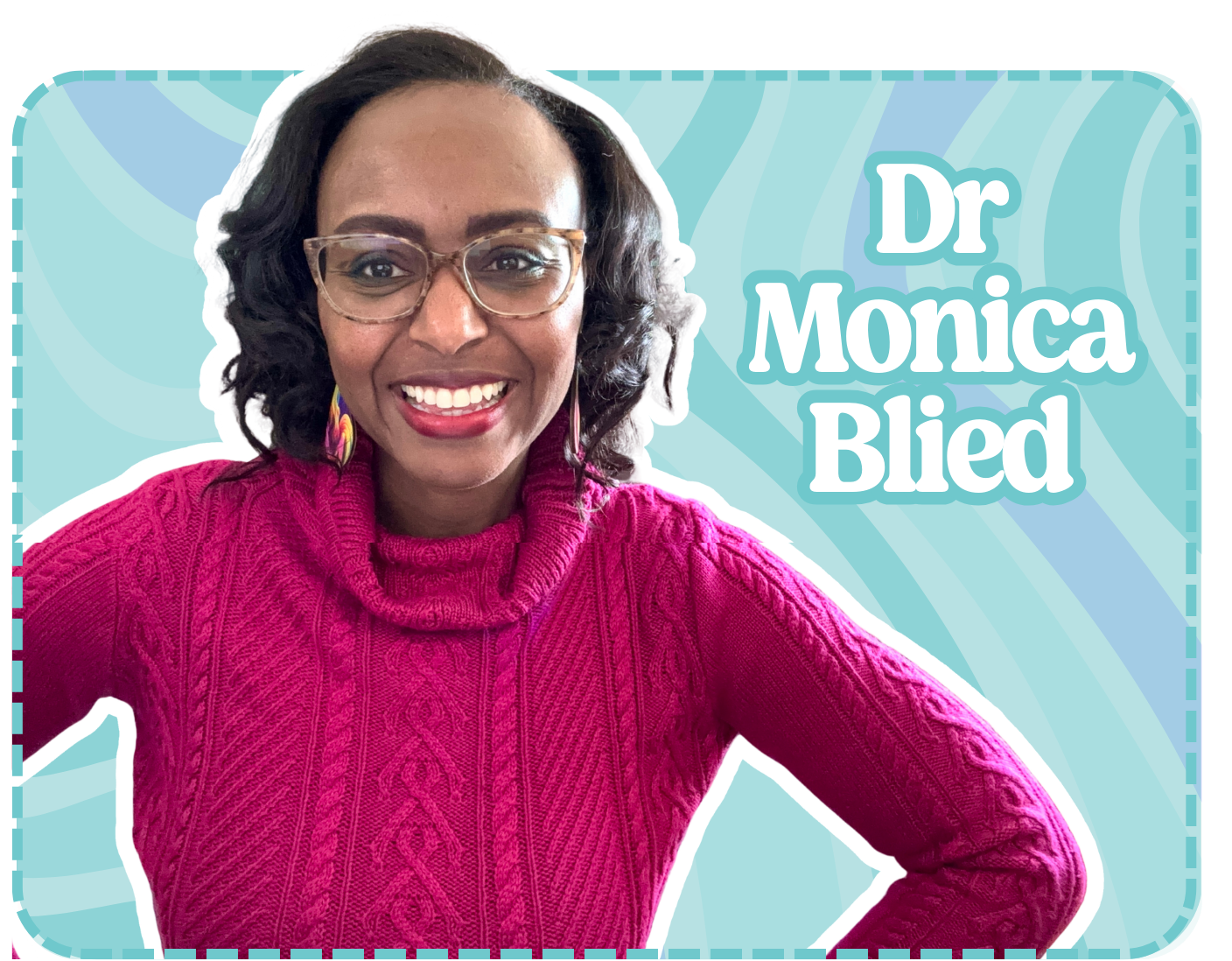
Dr. Monica Blied
Dr. Monica Blied is a clinical psychologist licensed in California and New York, adjunct professor of psychology at Pepperdine University, mother of three, and founder of Faces of Health in Claremont, CA. She specializes in neuropsychological assessments for twice-exceptional and neurodivergent children and adults, and integrates mind-body health and chronic illness management into her dynamic private practice.
Dr. Blied has authored numerous journal articles and co-authored book chapters, delivered over 90 workshops and conference presentations, and developed the free “Faces of Health” app, which offers mental health skills training videos, all taught by women of color doctors. She is the former Chair of the California Psychological Association’s Division of Education & Training and serves on the Medical Advisory Board of Lupus LA.
As a clinician and neurodivergent parent, Dr. Blied brings a unique perspective to understanding neurodivergence, supporting strengths, and helping individuals and families thrive. Learn more at drblied.com and facesofhealth.net. You can also follow Dr. Blied on Instagram @dr.blied